IDP2Biomed news
HBS Annual Meeting 2026: Biochemistry Without Borders
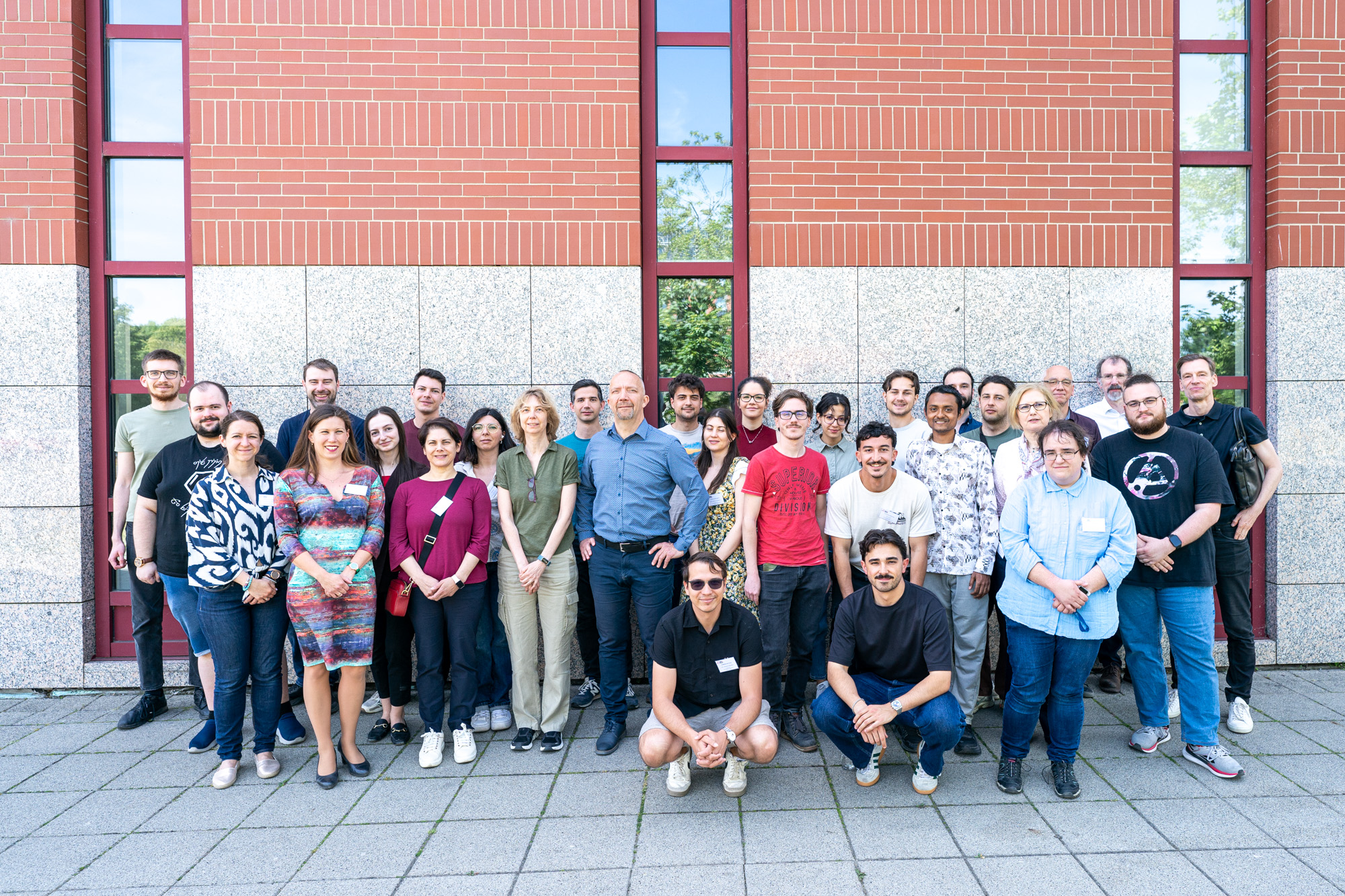
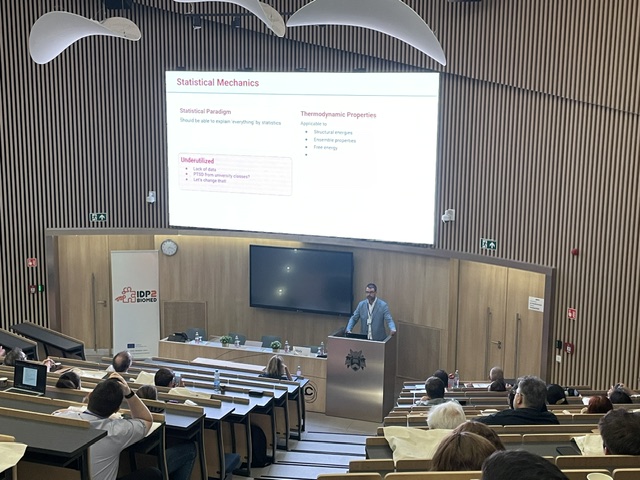
The HBS Annual Meeting 2026, held in Debrecen under the theme “Biochemistry, Without Borders”, brought together researchers from Europe and beyond to exchange the latest advances in biochemistry and related fields. A highlight was the session “Computational Biology, Intrinsically Disordered Proteins, Systems Biology”, featuring leading researchers from the IDP2Biomed programme: Zsuzsanna Dosztányi, Gábor Erdős, Michele Vendruscolo, Markus Zweckstetter, and Xavier Salvatella. Their presentations highlighted how computational biology, structural biology, biophysics, and systems biology can be combined to understand IDPs, protein interactions, and molecular mechanisms relevant to health and disease. We sincerely thank all speakers for their inspiring contributions and stimulating discussions, which fostered new ideas, connections, and collaborations.
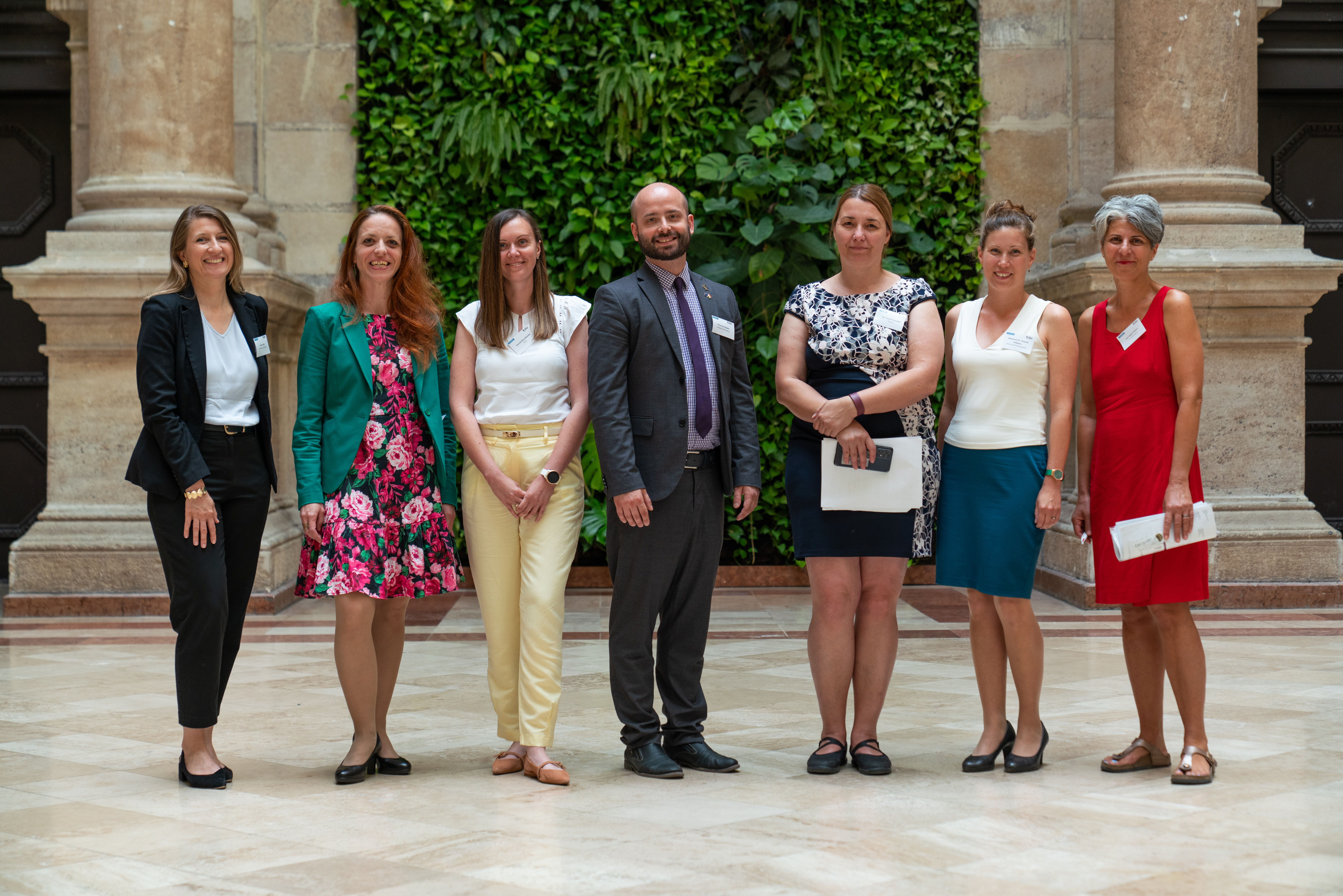
HUNARMA Officially Established; Julianna Bárányné Németh Elected Secretary
The Hungarian Association of Research Managers and Administrators (HUNARMA) was officially established on 17 June 2026, marking an important milestone for the research management community in Hungary.
We are pleased to announce that Julianna Bárányné Németh, PhD Project Manager of the IDP2Biomed Twinning project at ELTE, has been elected Secretary of the newly formed association.
HUNARMA aims to strengthen the professional community of research managers and administrators, promote knowledge sharing and networking, and support the development of Hungary's research and innovation ecosystem.
The election of Julianna Németh to the association's leadership reflects her extensive experience in research management and international project coordination, as well as the growing recognition of the important role research support professionals play in advancing scientific excellence.
We warmly congratulate her on this achievement and wish her every success in her new role. We look forward to seeing her contribute to the development of the Hungarian research management community and to the future success of research and innovation in Hungary.
Read the ELTE announcement about HUNARMA.